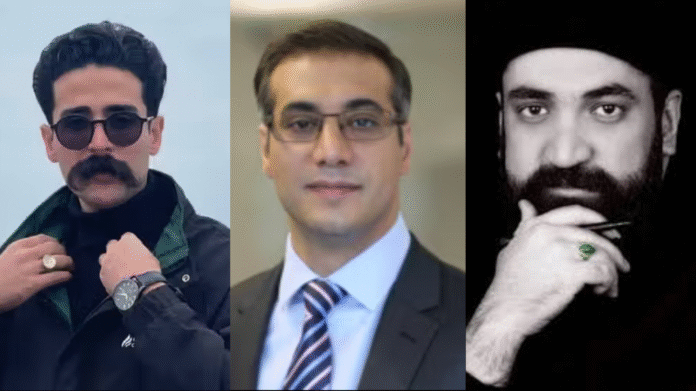
On Journalists’ Day in Iran, imprisoned journalists in the country continue to endure detention under inhuman conditions and extrajudicial treatment.
Artin Ghazanfari, a photojournalist, remains held in limbo under inhuman conditions at Tehran’s Greater Tehran Prison in the seventh month of his detention, despite suffering from heart disease. Judicial and security authorities continue to oppose his temporary release even as this Baha’i citizen suffers from “heart failure, high blood pressure, and asthma.”
Amirhossein Rezaei, a journalist and political science student at the University of Tehran, also remains in temporary detention without resolution, three months after his arrest.
Yesterday, photojournalist Yalda Moayeri announced via a post on her social media account that she had been sentenced to 15 years in prison. The ruling was issued in absentia by Branch 29 of the Tehran Revolutionary Court.
According to a report by the American network CBS, Iranian-American journalist and political prisoner Reza Valizadeh, currently held in Evin Prison, sent an audio file to the network stating that he has been denied the right to family visits for the past five months and effective medical care for the past year. In the recording, Valizadeh described the poor quality of prison food, prisoners’ deprivation of access to the library and sports facilities, and the lack of adequate and effective medical services.
A new wave of intensified security pressures and judicial measures against journalists and media outlets in Iran began amid the security atmosphere created by anti-government protests. Iran experienced one of the most unprecedented information blackouts in the history of the Islamic Republic for approximately 20 days. From the early days of 2026, following the spread of anti-government protests, the Islamic Republic launched a fresh campaign of judicial and security actions against journalists, media organizations, and independent narrators. International internet access was severed, and widespread disruptions affected domestic communication networks, including mobile phones.
According to the annual report of the Defending Free Flow of Information organization (DeFFI), Iranian journalists and media outlets are facing an unprecedented period of security pressures, judicial actions, and targeted interference in their professional activities—conditions that the free-expression advocacy group describes as a “military arrangement against the free flow of information.” Based on the report, in 2025 alone at least 225 journalists or media outlets experienced judicial or security measures; 25 journalists or media managers were collectively sentenced to more than 30 years in prison and 293 million tomans in fines; at least 148 new judicial cases were opened against journalists and media outlets; and eight media outlets were shut down.