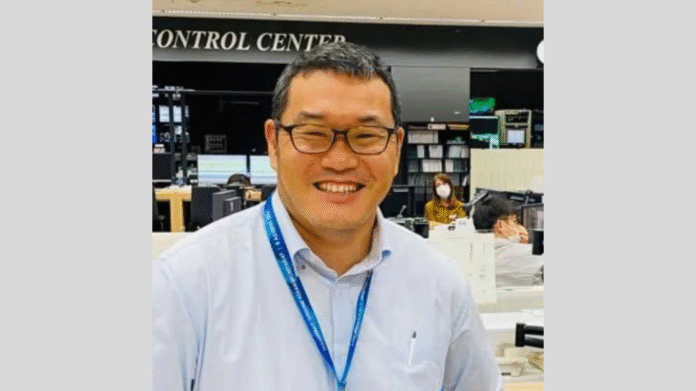
Shinnosuke (Shin) Kawashima, the head of NHK’s bureau in Iran, was released on Monday, April 6, 2026. Mr. Kawashima had been detained since January 20, 2026, coinciding with the outbreak of street protests in Iran.
Japan’s Chief Cabinet Secretary Minoru Kihara announced during a press briefing that a Japanese citizen previously detained in Iran was released on Monday on bail. The Japanese official did not mention the name of the released citizen. However, Kyodo News identified the freed Japanese national as the head of the Tokyo-based public broadcaster NHK’s office in Tehran.
The reasons for Kawashima’s arrest and the charges against him remain unknown. Iranian authorities have not issued any official statement regarding the incident. Nevertheless, the detention of the NHK bureau chief occurred at the same time as the escalation of street protests across Iran.
In the first month of 2026, following the widespread outbreak of anti-government protests in the country, the Islamic Republic of Iran launched a new wave of judicial and security crackdowns targeting journalists, media outlets, and independent voices. International internet access was cut off, and there were widespread disruptions in domestic communication networks, including mobile phones.
According to the annual report by the Defending Free Flow of Information (DeFFI), Iranian journalists and media outlets have experienced an unprecedented period of security pressure, judicial actions, and deliberate disruptions to their professional activities. The organization has described the situation as a “military-style campaign against the free flow of information.” Based on the report, in 2025 alone, at least 225 journalists or media workers faced judicial or security measures; 25 journalists or media managers were collectively sentenced to more than 30 years in prison and 293 million tomans in fines; at least 148 new judicial cases were opened against journalists and media outlets; and eight media organizations were shut down.