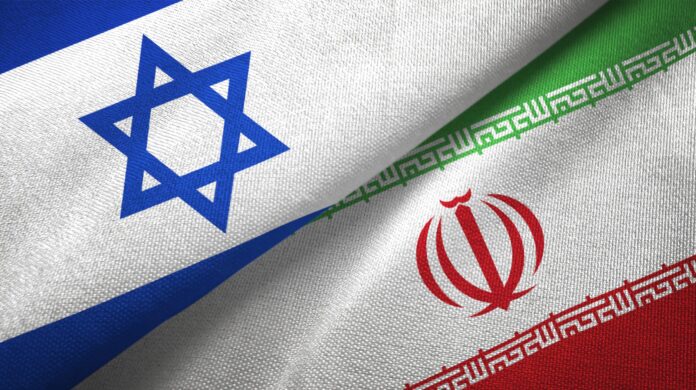
Simultaneously with the new round of controlled military confrontations between Iran and Israel, the Iranian regime has once again repeated its established patterns of suppressing free information. The Iranian government disrupted internet access, while judicial and security institutions issued threats against independent narrators and journalists.
On the evening of Sunday, 7 June 2026, Iran launched missiles and drones from its territory toward Israel. This military operation was carried out in response to Israel’s attack on Beirut in Lebanon. Hours later, Israel bombed military and industrial targets in at least five cities in Iran. One day later, after Iran fired several retaliatory missiles toward Israel, both sides announced through separate statements that they would halt the military engagements.
According to official sources in Iran and Israel, the military clashes, in addition to damaging military and industrial infrastructure in both countries, resulted in the injury of civilians in Iran and Israel.
Concurrently with this new round of military confrontations, the Iranian government repeated its well-established patterns of suppressing free information. Internet access in parts of Iran experienced severe disruptions, and judicial and security institutions began threatening media outlets, journalists, and independent narrators.
On the morning of Monday, 8 June 2026, the Intelligence Organization of the Islamic Revolutionary Guard Corps (IRGC) issued a statement declaring: “In accordance with the law on countering the hostile actions of the Zionist regime (Israel), any cooperation with the enemy -including the preparation and transmission of videos and photographs- is considered a criminal act, and those involved will be dealt with according to wartime laws.” The security body called on citizens to identify and report individuals it described as “treasonous elements collaborating with the enemy.”
Shortly afterward, Iran’s Prosecutor General’s Office issued a similar statement, echoing the IRGC Intelligence Organization’s threats. Mizan, the official news agency of the judiciary, quoted the Prosecutor General’s Office as stating: “The publication of images and videos from the impact sites of enemy projectiles that contribute to completing the enemy’s intelligence puzzle constitutes a crime, and those responsible for disseminating such content will face decisive legal action.”
The military clashes on 7 and 8 June 2026 occurred after a fragile ceasefire. In the previous war, which began in February 2026 and lasted approximately 40 days, the Iranian government imposed the world’s longest deliberate internet shutdown. It also launched an unprecedented wave of disruptions to free information flow and carried out judicial and security crackdowns against journalists, media outlets, and independent narrators.
In Iran, the internet was cut for approximately 88 days. Even after this period, citizens regained limited access to the internet. However, widespread disruptions and severe filtering continue across the country. Internet traffic in Iran remains significantly lower than before the protests of January 2026.